
 English
 Italiano
 Français
 Deutsch
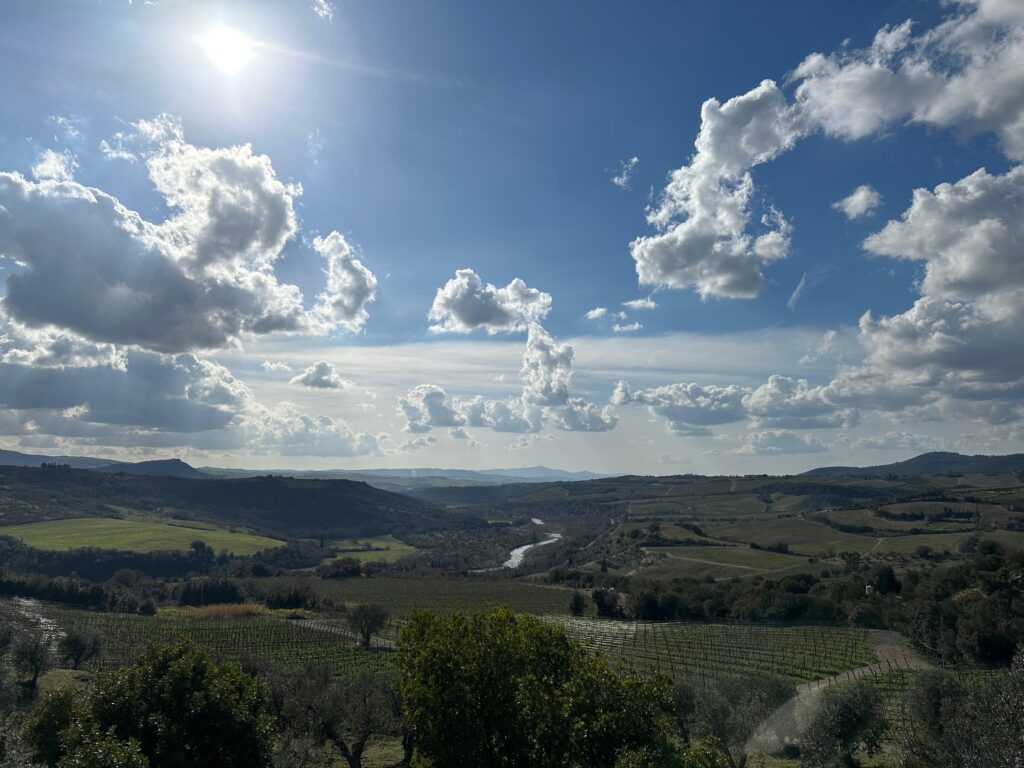

Where Sangiovese takes its time
On Thursday, April 9, 2026, we took part in a truly special day at Podere San Giuseppe by Stella di Campalto in Montalcino.
Here the focus naturally shifts to something else, time and nature, and the space they are given.
A day spent between cellar and vineyards was the perfect opportunity to understand what that really means.
We left Lugano early in the morning, heading towards Montalcino, with a 10:30 appointment at Stella di Campalto, in Castelnovo dell’Abate, one of the most distinctive and highly regarded areas of the Brunello territory.
The day was one of those rare occasions that Stella and Beatrice organize for their importers and international partners, people arriving from across Europe, Asia and the Americas, all gathered in one place to share time, wines and a common vision.
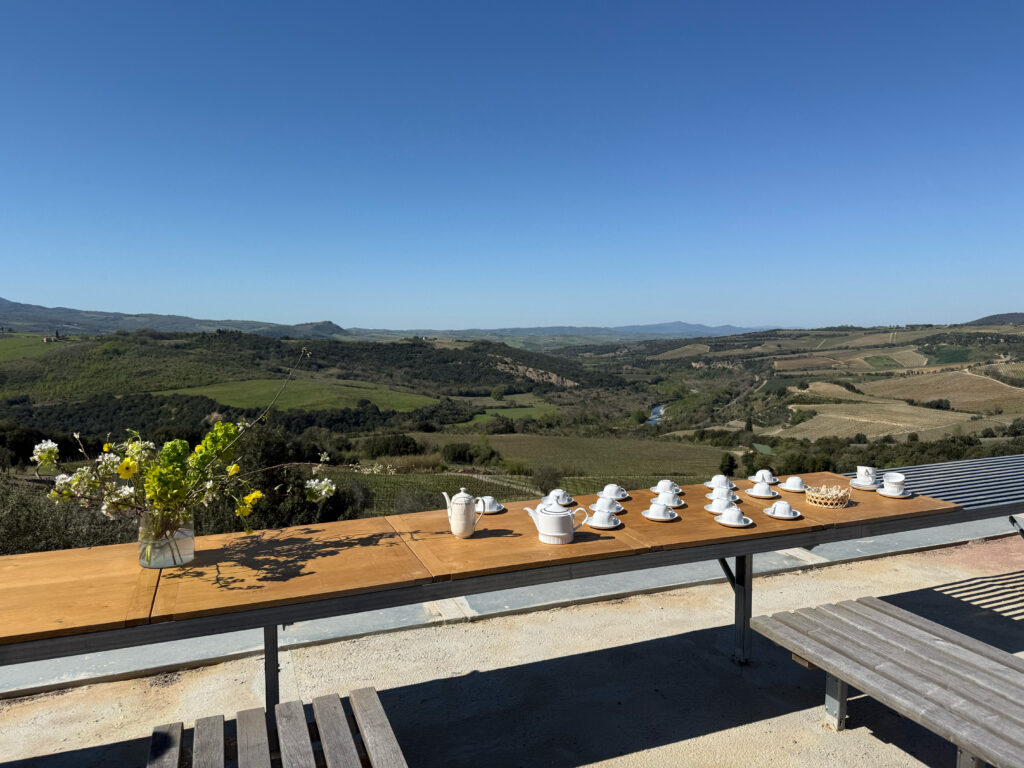
We were welcomed on the rooftop of the winery, a simple and essential space overlooking the Val d’Orcia and the Orcia river, with herbal tea, bright light and that immediate sense of calm that defines the place from the very first moment.
After the welcome, we moved down into the cellar, where Stella, Beatrice and a remarkable selection of wines were waiting for us, telling the full story of Podere San Giuseppe, from the early years to the most recent releases.
The first wine in the tasting was a 2002 Rosso di Montalcino, one of the earliest vintages produced, followed by more recent Brunellos such as the 2019s and, most importantly, the 2016 vintage, a key reference point for understanding Stella’s work.
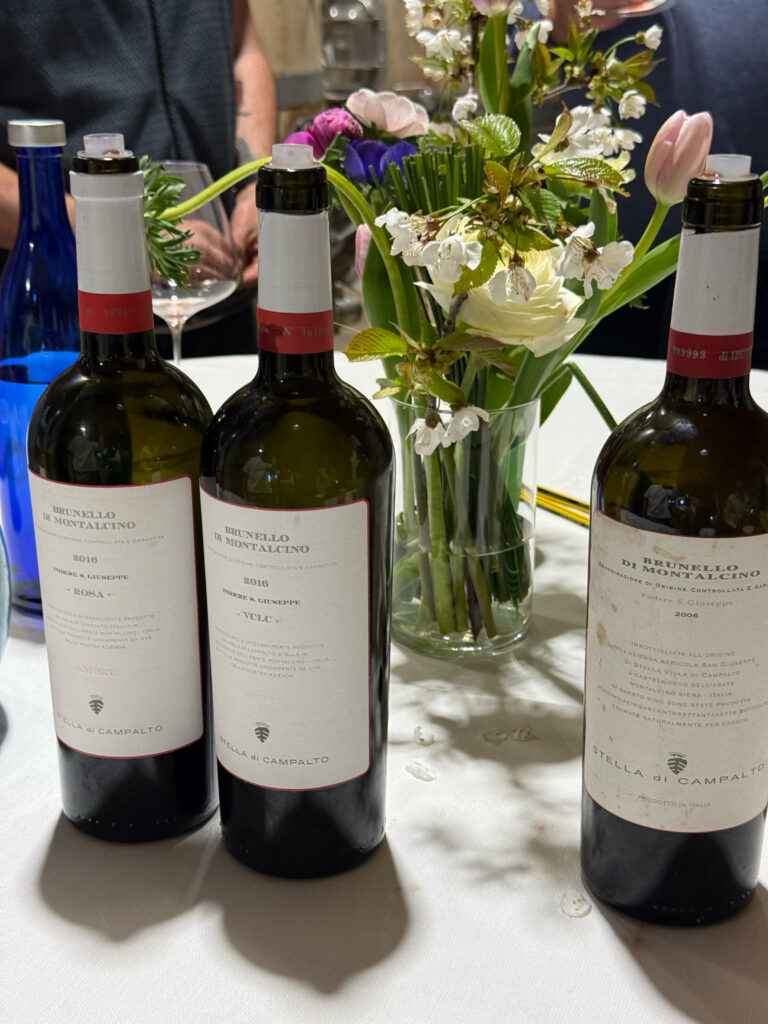
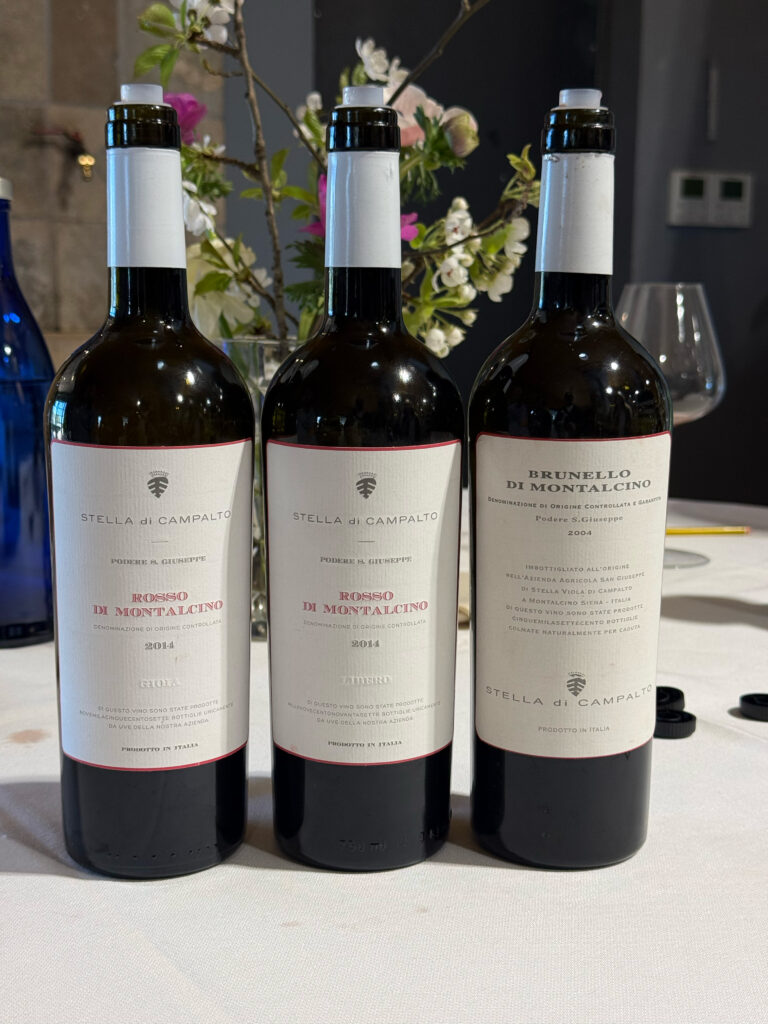
While much of Montalcino is currently releasing younger vintages, here time follows a different logic. Stella di Campalto’s Brunellos are often released many years later than the average in the appellation, as each wine is released only when it is ready.
The same vintage can give rise to multiple wines, released at different times. The 2016 is a clear example, with several interpretations coming from different vineyard parcels, such as Sasso, VCLC and Piccoli Contenitori, leading up to the 2016 Brunello “Rosa Amore”, scheduled for release in 2026.
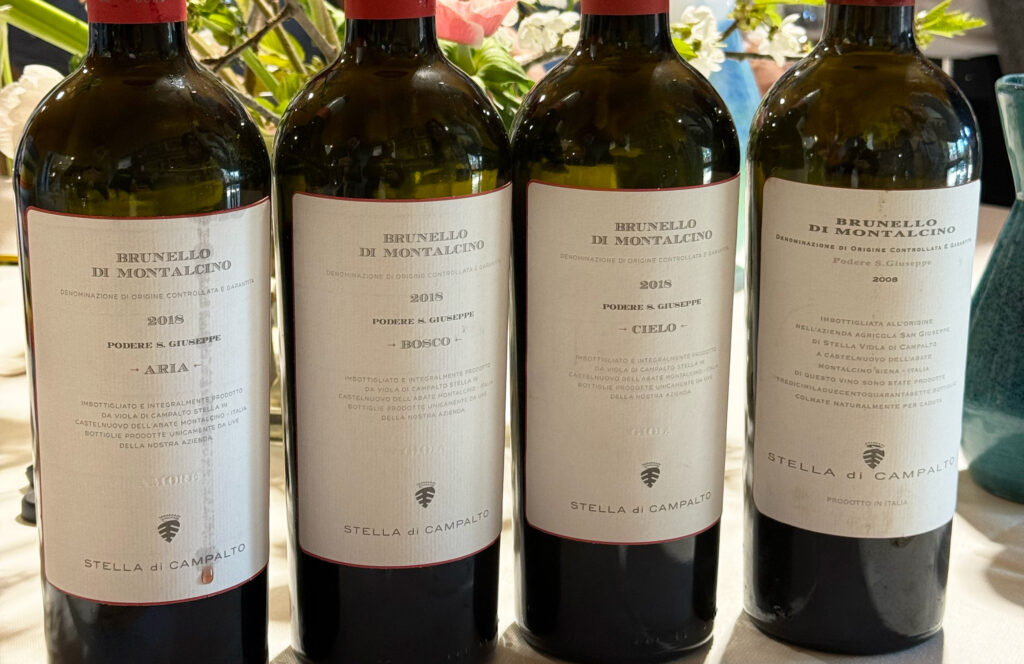
This level of parcel-by-parcel work is extremely precise and rare, not only in Montalcino but in the wine world as a whole. Each parcel of Sangiovese is observed and followed over time, and each wine finds its own moment of release, even ten years after harvest.
The tasting was structured in a very interesting way, not chronologically, but through thematic tables connecting vintages that share the same final digit.
2002 next to 2012, 2005 alongside 2015, 2006 with 2016.
A way to look for affinities across distant seasons, to better understand how Sangiovese behaves over time and how vineyard and cellar work can maintain a deep coherence despite change.
Over the years, Stella has produced Rosso di Montalcino, Brunello di Montalcino and also Brunello Riserva. Today, the focus is exclusively on Brunello, although in practice, given the long ageing periods, many of these wines could be considered Riserva, even if they are not labelled as such.
After the tasting, we moved into the vineyards.
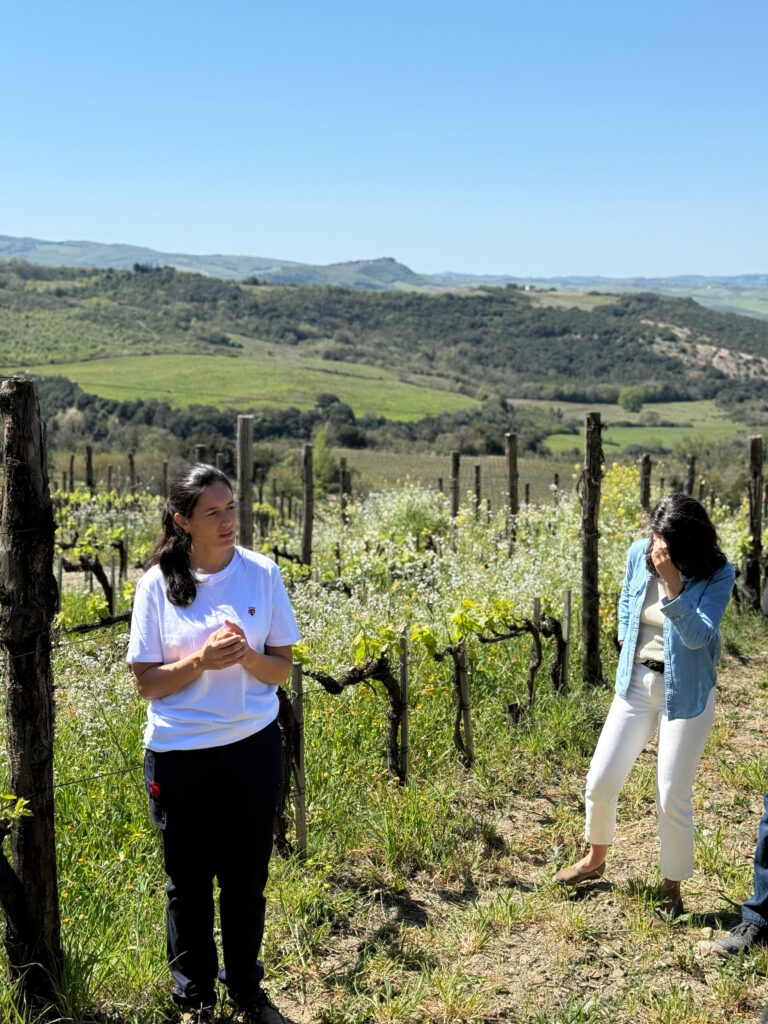
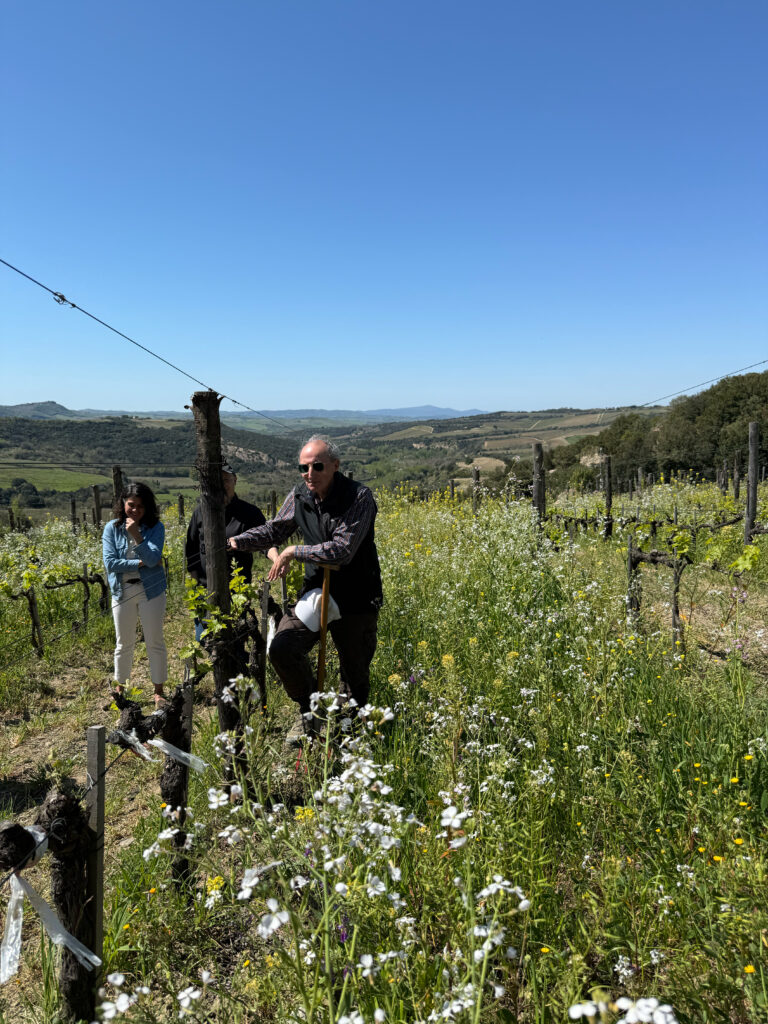
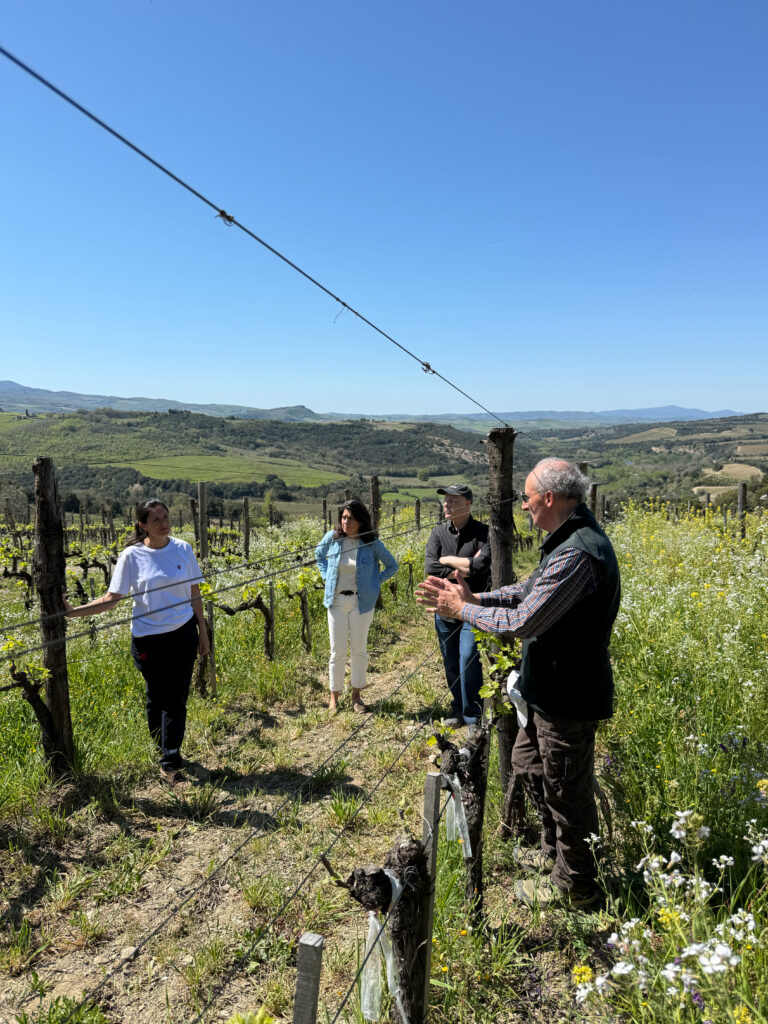
This is where everything comes together.
At Podere San Giuseppe, vineyard work has been guided from the very beginning by Leonello Anello, a key figure in the development of the project. One of the pioneers of biodynamic viticulture in Italy, he has spent over forty years working in research, education and consultancy, contributing to a practical and verifiable approach to biodynamics.
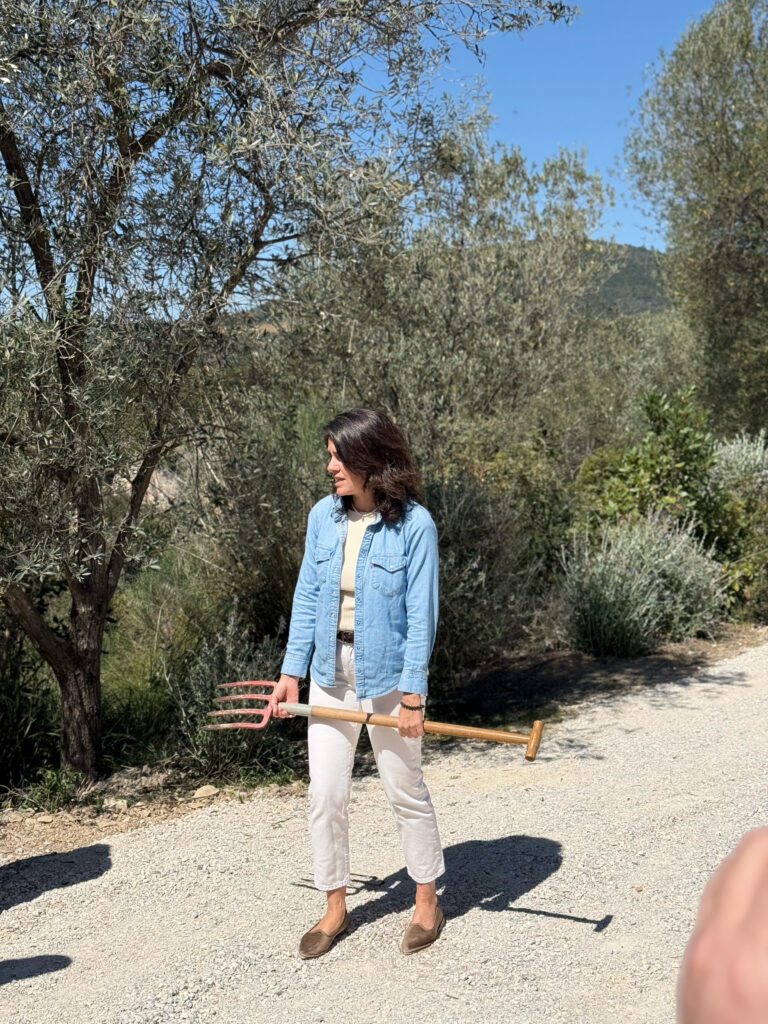
Since 2001, he has worked alongside Stella, building a living agricultural system that is coherent and deeply connected to its environment.
Here, biodynamics is not a recent choice, but a foundation on which everything has been built, not as theory, but as daily practice based on observation, verification and constant adaptation.
One of the most interesting aspects is that this approach has also been the subject of analysis and comparison over time. Studies conducted with institutions have examined the condition of soils and vines at Podere San Giuseppe, comparing them with conventionally managed vineyards.
In Stella’s case, the vineyards are managed without external fertilisers, allowing the soil-plant system to find its own balance. Despite this, no nutritional deficiencies or quality losses have been observed over time.
The analyses have highlighted a living, balanced and rich soil, capable of naturally sustaining the vine, confirming in practice what often remains theoretical.
Walking through the parcels, observing the soil, the spontaneous vegetation and the biodiversity that defines these vineyards, it becomes clear how deeply this approach has shaped the estate.
Here, the vineyard is not forced. It is guided.
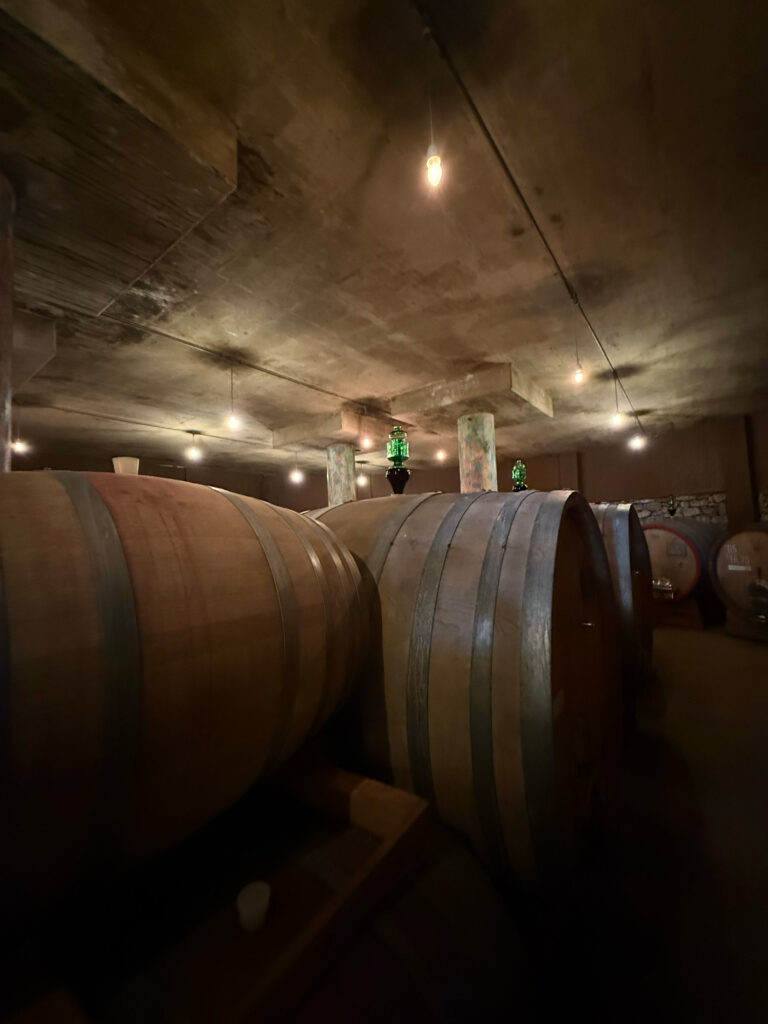
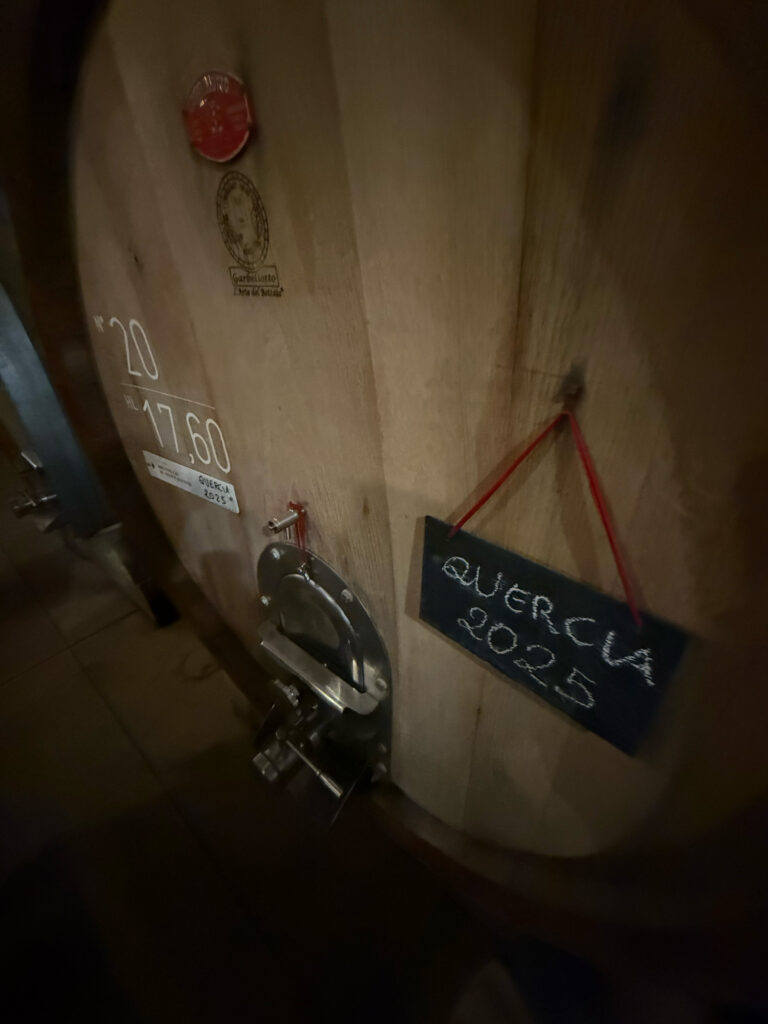
You taste the wines in the cellar first, then you walk the vineyards, and only then do you fully understand where everything begins.
And that is where the key point becomes clear.
When the soil is alive, balanced and capable of sustaining the plant without corrective inputs, the wine changes. It becomes more precise, more coherent, more readable.
Because in the end, it is simple, when the soil is alive, the wine is too.
Lunch took place in a newly built section of the cellar, part of the recent expansion led by Stella and Beatrice, a space normally dedicated to production and, for the occasion, arranged with a long table.
A simple and convivial moment, shared among producers and importers, accompanied by a few bottles served blind, more out of curiosity and exchange than formal tasting.
No labels, no references, just the wine in the glass.
In the afternoon, the day continued with further moments of exchange, leading into the evening, when we moved to Relais Mastrojanni in Castelnovo dell’Abate for an informal dinner.
A friendly gathering among wine lovers, organised by Beatrice, who took the opportunity of having everyone in Montalcino to bring people together for a beautiful evening.
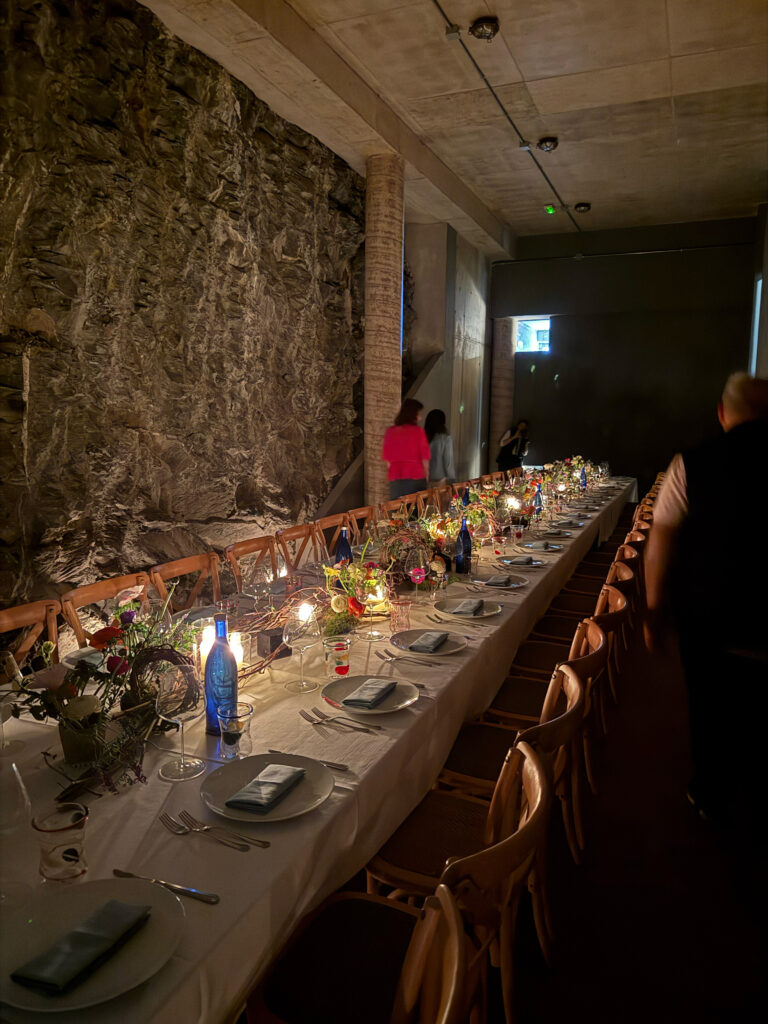
Once again, the atmosphere remained consistent, sharing, openness, bottles from all over the world, great quality without formalities, in a relaxed and authentic setting.
What stands out about Stella di Campalto is not only the quality of the wines, but the coherence of the entire project.
In Montalcino, a land defined by Sangiovese and Brunello, Podere San Giuseppe represents a clear vision, built over time through meticulous work in both vineyard and cellar.
An approach that requires time, resources and strong conviction, and that is becoming increasingly rare today.
The wines that result from this process do not follow the market, they follow their own time.
For us at Chronos Wine, it is a great honour to collaborate with Stella di Campalto.
We are importers for Switzerland, with direct responsibility for the Ticino and Italian-speaking Swiss market, where we operate within the restaurant sector, selecting and working with partners who understand and value wines of this level.
We strongly believe in the importance of properly positioning each bottle, from vineyard work to service, because wines like these need the right context to fully express themselves.
Today, Stella di Campalto stands as one of the most authentic realities in Montalcino, a reference point for those seeking a Brunello di Montalcino that truly expresses Sangiovese, place and time.
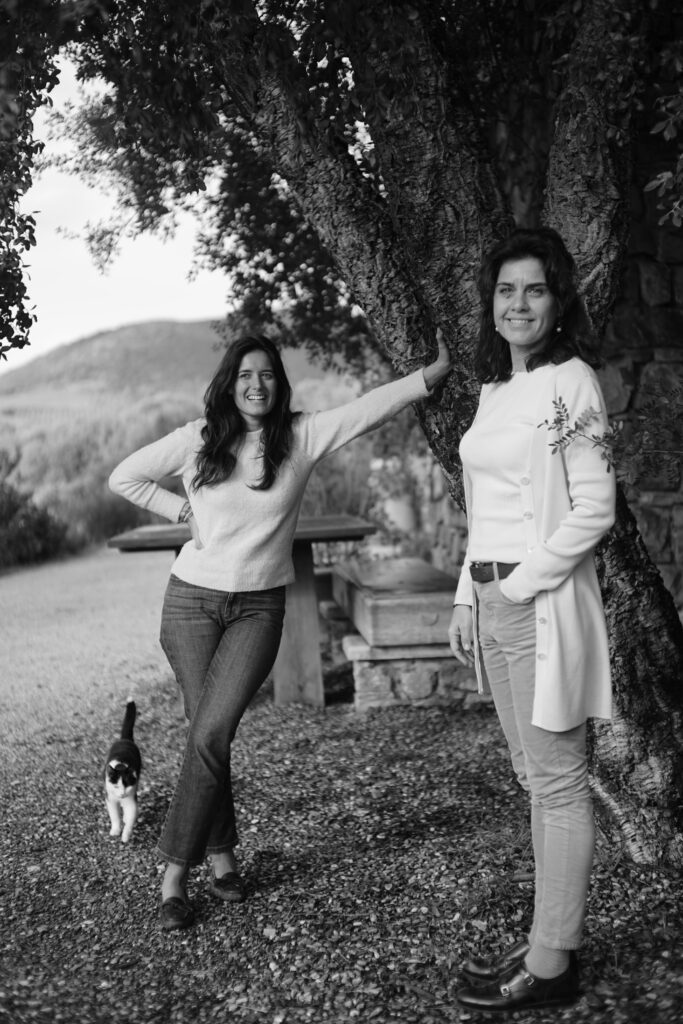
A sincere thank you to Stella, Beatrice and the entire team for their hospitality and for sharing, once again, their way of living wine.
A way that today, more than ever, feels extremely rare.